
 Nosotros
 ¿Por qué elegir K12?
 Necesidades de seguridad
 Cómo triunfan los alumnos
 Preguntas frecuentes
 Escuela primaria en línea
 Escuela intermedia en línea
 Preparación para la profesión y la universidad
 Escuela secundaria en línea
 Clubes de estudiantes
 Servicios profesionales y universitarios
 Dentro del aula en línea
 El día a día
 Social y extracurricular
 Consejos, asesoramiento e inspiración
 Beneficios de por vida
 Inscribirse
 Todas las opciones de escuelas
 ¿Necesitas más ayuda?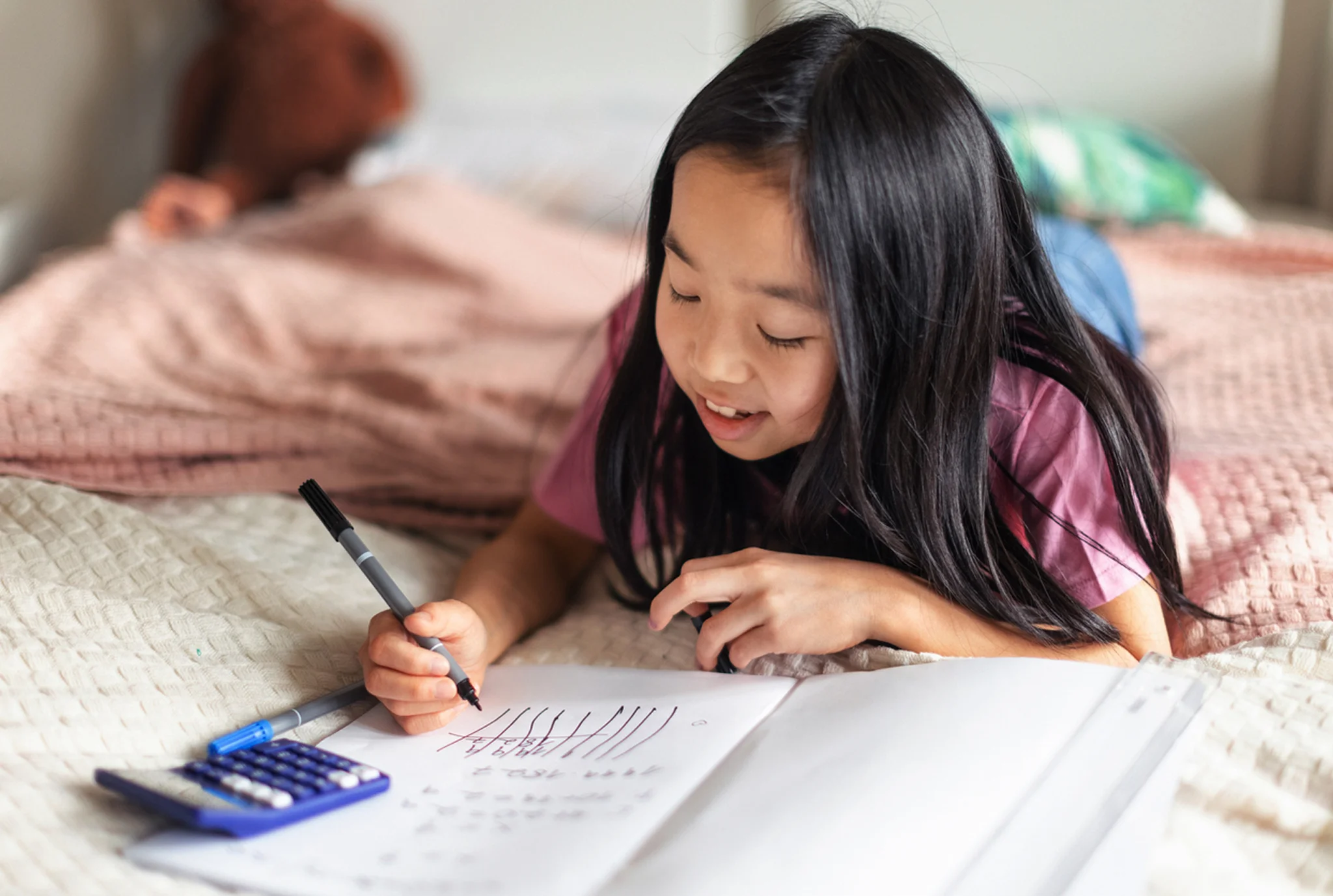
Online school offers flexibility and personalized pacing, while traditional school provides structured schedules and in-person interaction. The best choice depends on your child's learning style, your family's schedule, and the level of support they need.
Choosing the right school for your child feels like one of the biggest decisions you'll make as a parent. You want them to thrive academically, feel happy socially, and develop into confident learners. But with so many options available today, how do you know which path is right for your child?
The truth is, neither online school nor traditional school is universally better. The right choice depends on your child’s learning style, your family’s schedule, and what your child needs to succeed. Some children flourish in the structure of a traditional classroom, while others thrive with the flexibility of online learning. Understanding the key differences helps you make the best decision for your family.
Compare online and traditional school options and learn how to evaluate which one fits your child.
Online School vs Traditional School: Quick Comparison
- Flexibility: Online = flexible schedule | Traditional = fixed schedule
- Learning Style: Online = self-paced | Traditional = teacher-led
- Social Interaction: Online = virtual + optional in-person events| Traditional = daily in-person
- Parent Role: Online = higher involvement | Traditional = lower involvement
Key Differences Between Online School vs Traditional School
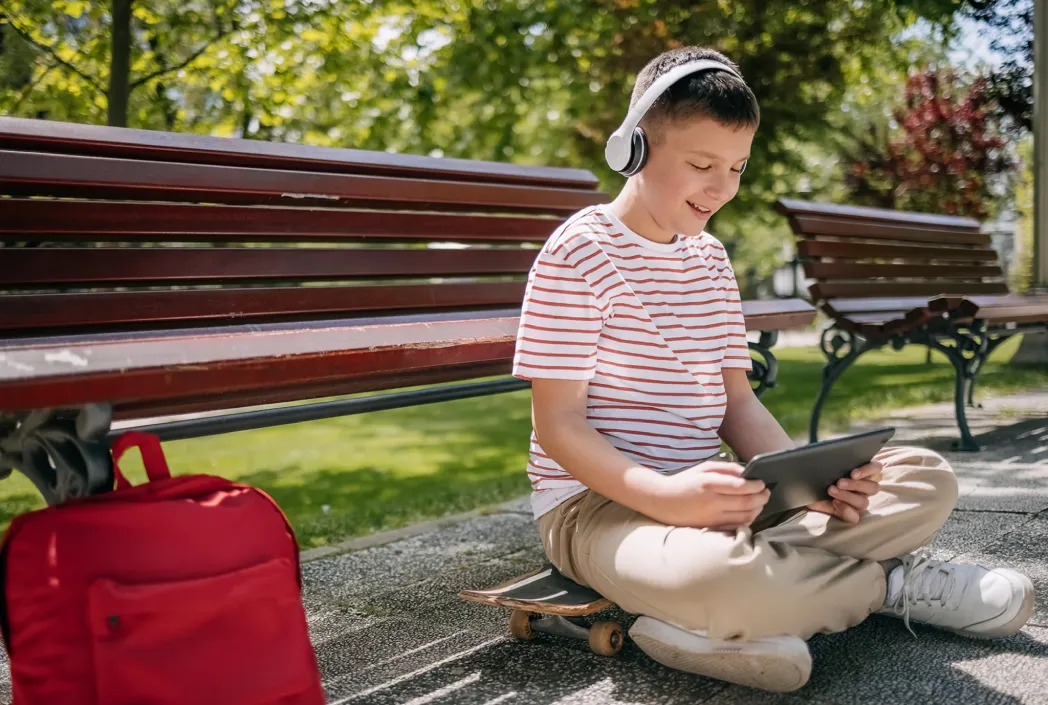
While both models deliver quality education, they work in fundamentally different ways. Here's what parents notice most.
Learning Environment and Structure
Traditional schools operate in physical classrooms where students learn face-to-face with teachers and peers. The teacher leads instruction, and students follow a structured daily routine. Online schools deliver lessons through virtual platforms from home. Students work more independently, with parents serving as Learning Coaches who help manage the home learning environment. Both models include live instruction, but online school combines scheduled class sessions with flexible independent work time.
Daily Schedule and Flexibility
Traditional schools follow fixed schedules. Students attend classes at set times from early morning to mid-afternoon while online schools offer more flexibility. In an online school setting, students attend some live classes at scheduled times, but they can often complete other coursework at their own pace. This flexibility helps families who need to work around sports, medical appointments, or other commitments. However, it also requires students to develop strong time management skills.
Social Interaction
Traditional schools provide daily in-person interaction through classroom activities, lunch, and hallway conversations. Students build friendships naturally throughout the school day. On a regular basis, online schools offer social connection through video calls, discussion boards, and virtual clubs. But online schools often organize field trips as well and routine meetups for students. Many online school families also supplement socialization with community activities, sports teams, or local clubs to provide additional social opportunities.
Participación de los padres
Traditional schools expect parents to help with homework and attend conferences, but teachers manage daily instruction. Online schools require parents to take on a Learning Coach role, especially for younger students. This means spending several hours each day overseeing lessons, helping with assignments, and communicating with teachers. The time commitment decreases as students get older and more independent, but it's still significant compared to traditional school.
When Online School Works Best
Online school may be a better fit if:
- Your child needs flexible scheduling:
Student athletes, performers, or children with medical needs benefit from learning that adapts to their schedule rather than the other way around.
- Your student is self-motivated:
Children who excel at working independently and managing their time effectively often thrive with online learning’s flexibility.
- Your child needs a quieter environment:
Some students focus better at home, away from the noise and distractions of crowded classrooms. This can help children with anxiety or sensory sensitivities.
- Your family wants more educational involvement:
If you want to be closely connected to what your child learns each day, online school makes that possible.
When Traditional School Works Best
Traditional school may be a better fit if:
- Your child thrives on social interaction:
Students who gain energy from being around peers and build friendships easily often do well in traditional settings with daily face-to-face contact.
- Your student benefits from external structure:
Children who need consistent routines and externally managed schedules often perform better when teachers provide that framework throughout the day.
- Your child needs hands-on facilities:
Science labs, art studios, music rooms, and sports facilities provide learning experiences that are difficult to replicate at home.
- Your family has limited daytime availability:
If you work full-time and cannot serve as a Learning Coach, traditional school provides professional supervision and instruction during work hours.
When Traditional School Works Best
Traditional school may be a better fit if:
- Your child thrives on social interaction:
Students who gain energy from being around peers and build friendships easily often do well in traditional settings with daily face-to-face contact.
- Your student benefits from external structure:
Children who need consistent routines and externally managed schedules often perform better when teachers provide that framework throughout the day.
- Your child needs hands-on facilities:
Science labs, art studios, music rooms, and sports facilities provide learning experiences that are difficult to replicate at home.
- Your family has limited daytime availability:
If you work full-time and cannot serve as a Learning Coach, traditional school provides professional supervision and instruction during work hours.
How to Evaluate Which Model Fits Your Child
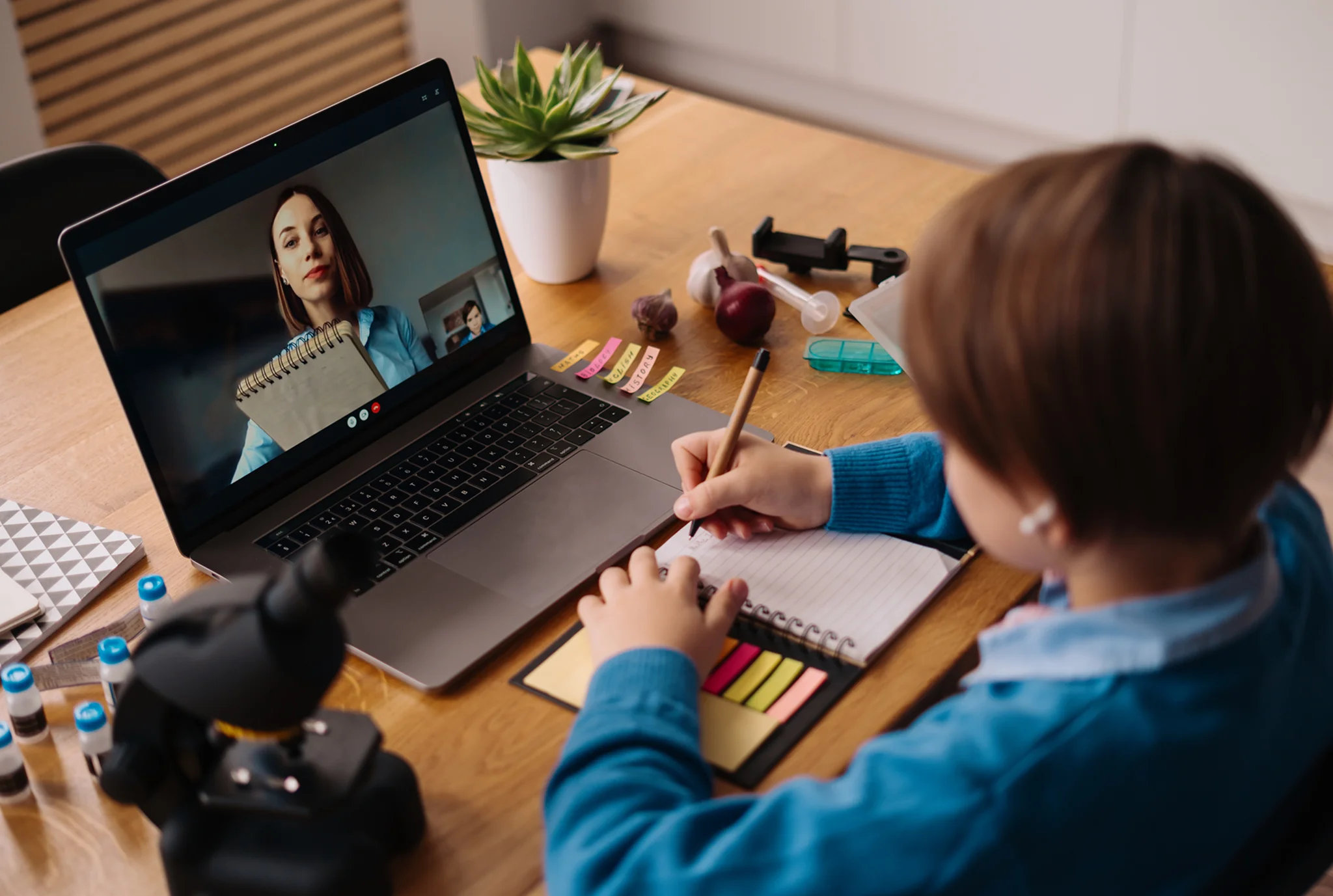
Making this decision requires honest reflection about your child's needs and your family's capacity. Consider these factors:
- Think about learning style:
Does your child work well independently, or do they need frequent teacher guidance? Do they stay motivated on their own, or do they need external accountability? Students who are self-directed often adapt well to online learning, while those who need more structure may do better in traditional classrooms.
- Assess your family schedule:
Be realistic about your availability. Can you dedicate several hours each day to supporting your child's learning? Do you have the flexibility to attend live class sessions? If your work schedule doesn't allow for this involvement, traditional school may be more practical.
- Evaluate social preferences:
Consider whether your child is energized or drained by constant social interaction. Extroverted children often need the daily peer contact that traditional school provides. Introverted children may prefer online school's quieter environment, as long as you create opportunities for meaningful friendships outside of school.
- Review current school experience:
What's working well right now? What challenges is your child facing? Understanding these patterns helps you identify what to look for in a new environment. If your child struggles with classroom distractions, online school might help. If they're lonely or missing social connection, traditional school might be the better option.
Common Questions Parents Ask When Comparing School Options
¿La escuela en línea es tan buena como la escuela tradicional?
Yes. Online public schools follow the same academic standards as traditional schools. Students take the same state tests and earn the same diplomas. The difference is in how instruction is delivered, not the quality of education.
Can we switch between models if one isn’t working?
Yes. Most families can switch between online and traditional school if needed. Educational choices aren't permanent. If you try one model and it's not the right fit, you can make a change for the next school year or sometimes even mid-year.
Will my child still receive support from teachers in online school?
Yes. Online students receive regular support from certified teachers through live instruction, feedback on assignments, and ongoing communication. Teachers are often available during scheduled class sessions and offer additional help through office hours, messaging, or one-on-one support when needed.
Finding the Right Fit for Your Family
The online school vs traditional school decision is not about which model is better overall-it's about which one matches your child's learning style, your family's schedule, and your child's social and emotional needs right now. Some children thrive with the flexibility and independence of online learning. Others need the structure and social environment of traditional classrooms.
Take time to honestly assess what your child needs and what your family can realistically provide. Talk with your child about their preferences. Consider trying one model knowing you can adjust if needed. The goal is to find an environment where your child feels supported, engaged, and ready to learn.
Ready to determine if online learning could work for your family?
See how K12-powered online schools support your child’s success.