

 Nosotros
 ¿Por qué elegir K12?
 Necesidades de seguridad
 Cómo triunfan los alumnos
 Preguntas frecuentes
 Escuela primaria en línea
 Escuela intermedia en línea
 Preparación para la profesión y la universidad
 Escuela secundaria en línea
 Clubes de estudiantes
 Servicios profesionales y universitarios
 Dentro del aula en línea
 El día a día
 Social y extracurricular
 Consejos, asesoramiento e inspiración
 Beneficios de por vida
 Inscribirse
 Todas las opciones de escuelas
 ¿Necesitas más ayuda?
¿Cómo es un día típico de escuela en línea? While every student's schedule can vary, most online school days follow a predictable daily structure. A typical online school day includes a mix of live (teacher-led) classes and independent work. Students usually attend scheduled lessons, complete assignments at their own pace, and follow a structured but flexible routine based on their grade level.
The structure and the level of independence evolve as students move from elementary through high school, giving families both consistency and flexibility throughout the day. Online school schedules are designed to balance structure and flexibility, helping students stay on track while adapting to individual learning needs. If you're considering online school for your child, you probably have questions about what their day will look like. Will they be on the computer all day? When do they need to be online? How much help will they need from you?
Let’s walk through what a typical online school day involves, so you know what to expect.
How long is an online school day?
Most online school days last 4-6 hours for elementary students and 5-7 hours for middle and high school students, depending on grade level and program. The length varies by grade level, just like in traditional schools. Younger students typically have shorter, more structured learning blocks, while older students spend more time working independently and managing multiple subjects.
In general, elementary students have shorter learning sessions with more breaks built in, while middle and high school students follow a schedule that more closely resembles a traditional school day. Daily learning includes a mix of live instruction, independent assignments, reading, and project-based work. Not all this time is spent on a screen-students often complete offline activities such as reading, hands-on projects, or written work.
See how real students structure their school day and manage their time across grade levels in our Day in the Life of K12 Students series.
Live Classes vs. Independent Work Time
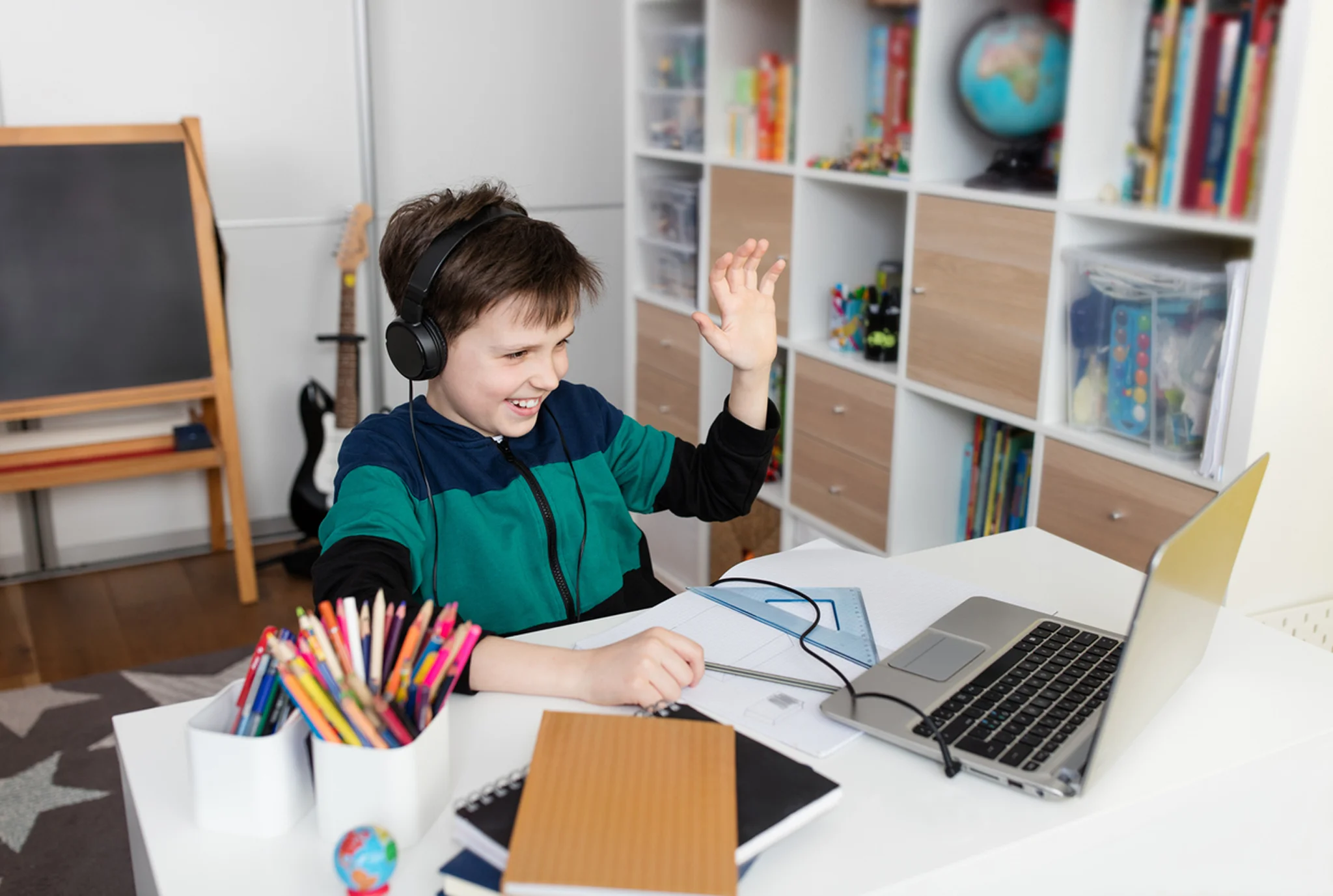
Online school combines live instruction for guidance and independent work for flexibility and skill building. There are two main types of learning: synchronous (live) and asynchronous (self-paced).
Synchronous learning means your child attends live classes with a teacher and other students at a scheduled time. They can ask questions, participate in discussions, and get immediate feedback. These sessions usually happen through video conferencing.
Asynchronous learning means your child works through lessons, assignments, and activities on their own schedule. They might watch recorded lessons, complete online exercises, read materials, or work on projects independently.
Most online schools blend both approaches. A typical day might include a few hours of live classes in the morning, followed by a few hours of independent work in the afternoon. This balance gives students the benefits of teacher interaction while also building self-directed learning skills.
According to Pew Research Center, about 70% of families with children in online learning provide additional support beyond what the school offers, showing that independent work time often involves parent guidance, especially for younger students.
This combination of scheduled instruction and self-paced learning helps students build both academic knowledge and time management skills.
What a Typical Online School Schedule Looks Like
While every online school structures their day a bit differently, most follow a similar pattern that balances live instruction with independent learning time. Most online school schedules follow a consistent daily structure that includes live classes, independent work, and built-in flexibility:
- Morning: Live classes (30–60 minutes)
- Midday: Breaks and transition time
- Afternoon: Independent work and assignments
- Optional: Tutoring, cubs, or enrichment
Morning: Live Classes and Core Subjects
The morning usually focuses on live, teacher-led classes. These sessions typically last 30-60 minutes each, depending on the grade level and subject.
During live classes, teachers present new material, lead discussions, and answer questions in real time. Students can interact with classmates through text chat features or voice chat.
Afternoon: Independent Work and Assignments
After lunch, students usually shift to independent work. This might include completing assignments from morning classes, working through online lessons at their own pace, reading, or tackling longer projects.
This is when students practice what they learned during live sessions. They might solve math problems, write essays, conduct research, or complete interactive activities. Parents often help younger students stay on task during this time, while older students work more independently.
Schedule Flexibility: When can students start their day?
While online school offers flexibility, most programs still require attendance at scheduled live classes, usually in the morning. This structure ensures students get direct instruction from teachers and stay connected with classmates.
However, the independent work portion offers more flexibility. If your child has a doctor's appointment in the afternoon, they can complete their assignments later in the evening. If your family travels, students can often keep up with schoolwork from anywhere with internet access.
Some online schools offer multiple session times for live classes, giving families options that work better with their schedules. For example, a school might offer the same math class at 9 AM and 1 PM, letting families choose which session fits their routine.
Parent Involvement by Grade Level

Parent involvement varies by grade level:
- Elementary: High involvement (daily guidance)
- Middle School: Moderate oversight
- High school: Mostly independent
Elementary students need significant parent support. You’ll likely sit with your child during live classes to help them navigate the technology, stay focused, and understand instructions. You’ll also guide them through independent work, help them read assignments, and stay on track. This role is often called a “Learning Coach” (LC).
Middle school students need less hands-on help but still benefit from parent oversight. You might check in at the start of the day to make sure they’re logged into class, then review their work in the afternoon. Most middle schoolers can manage technology independently but may need help with organization and time management.
High school students typically work independently for most of the day. Your role shifts to monitoring progress, checking grades, and being available when they need help with challenging concepts. Most high schoolers only need occasional support rather than constant supervision.
Time for Extracurriculars and Social Activities
One common concern about online school is whether students will have time for activities outside of academics. Online students often have more time for extracurriculars due to reduced commute time.
Without the need to travel to and from school, students regain 1–2 hours each day. They can use this time for sports teams, music lessons, volunteer work, part-time jobs, or social time with friends. Many online students participate in community activities, join local clubs, or take classes at community centers.
Online schools also offer their own clubs, activities, and social events. Students might join virtual clubs based on their interests or attend in-person field trips and gatherings organized by the school.
Finding the Right Balance of Structure and Flexibility
An online school day combines the structure of scheduled live classes with the flexibility of independent work time. Students get direct instruction from teachers while also learning to manage their own time and work independently.
The daily time commitment for online school is like traditional school, but the format is different. One major advantage of online schooling is that families gain the freedom to shape their day around key activities, allowing for a flexible routine that fits their needs.
Wondering if this type of schedule would work for your child? Explore how K12-powered schools support flexible, structured learning.