
 Nosotros
 ¿Por qué elegir K12?
 Necesidades de seguridad
 Cómo triunfan los alumnos
 Preguntas frecuentes
 Escuela primaria en línea
 Escuela intermedia en línea
 Preparación para la profesión y la universidad
 Escuela secundaria en línea
 Clubes de estudiantes
 Servicios profesionales y universitarios
 Dentro del aula en línea
 El día a día
 Social y extracurricular
 Consejos, asesoramiento e inspiración
 Beneficios de por vida
 Inscribirse
 Todas las opciones de escuelas
 ¿Necesitas más ayuda?
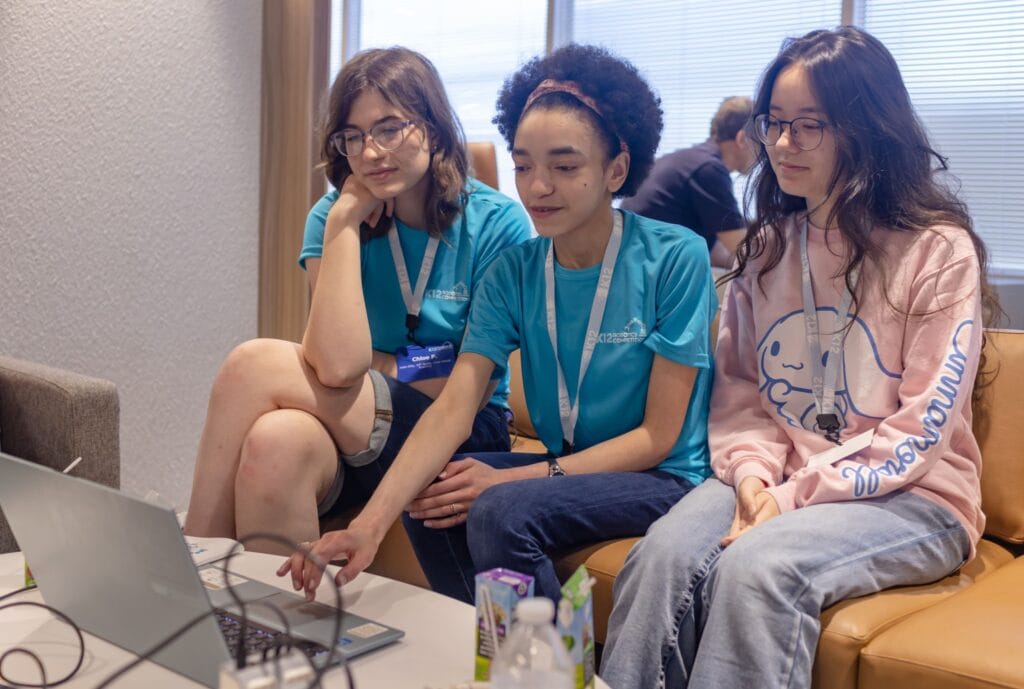
Yes, online school can be social for middle and high school students. Students build friendships through live virtual classes, group projects, clubs, and in-person events, creating meaningful connections similar to traditional school environments.
Many parents worry that online school limits social interaction, but middle and high school students have multiple ways to connect with peers. Through live classes, group work, clubs, and events, students can build friendships and stay socially engaged.
The difference is not whether students connect but rather “how” they connect, with a mix of online and in-person experiences that work well for many families.
How Online School Students Connect and Build Friendships
Online school students build friendships through daily interaction in virtual classrooms and structured social opportunities.
Students connect with peers in several key ways:
- Participating in live virtual classes and discussions
- Collaborating on group projects
- Joining study groups and chat sessions
- Engaging in informal conversations before and after class
During live lessons, teens participate in discussions, share ideas, and get to know their classmates. Teachers often open chat rooms before and after class, giving students time to talk casually about their interests and lives.
Group projects create natural opportunities for deeper connections. When students work together on assignments, they discover shared interests and compatible personalities. Study groups also help students bond while supporting each other's learning. These groups often meet regularly through video chat, and conversations naturally extend beyond homework to personal topics.
Research from Pew Research Center shows that 57% of teens have made friends online, with many reporting that these friendships are as meaningful as in-person connections. Students stay connected through group chats, social media, and video calls, maintaining friendships that can last well beyond their school years.
Do online schools offer extracurricular activities?
Yes, online schools provide a wide range of extracurricular activities, including clubs, competitions, and student organizations. Common online school activities include:
- Student government and leadership clubs
- Honor societies and academic competitions
- Interest-based clubs (art, coding, writing, etc.)
- Social groups and virtual meetups
These clubs help students find like-minded peers who share their enthusiasm. Teens create real community through regular meetings, collaborative projects, and shared goals. Students can also develop leadership skills by serving as club officers and organizing events.
Online social opportunities help teens build confidence while creating long-lasting friendships. Want to see how online students connect in real life?
Explore K12 student clubs, events, and social opportunities to see how online learners build friendships.
In-Person Social Events and Opportunities
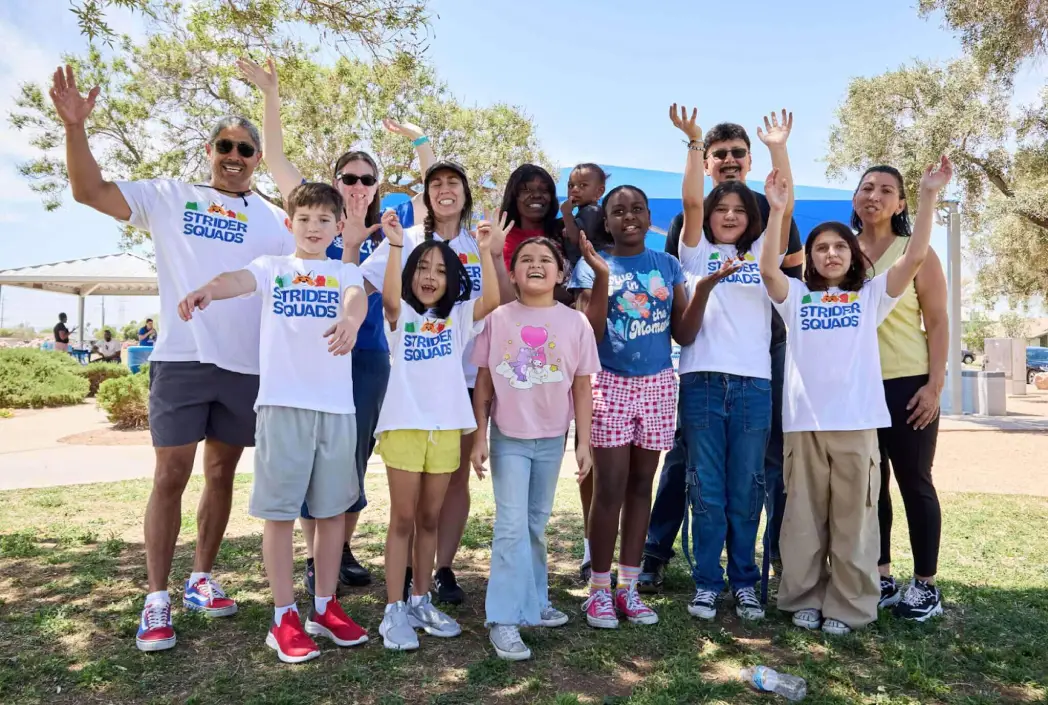
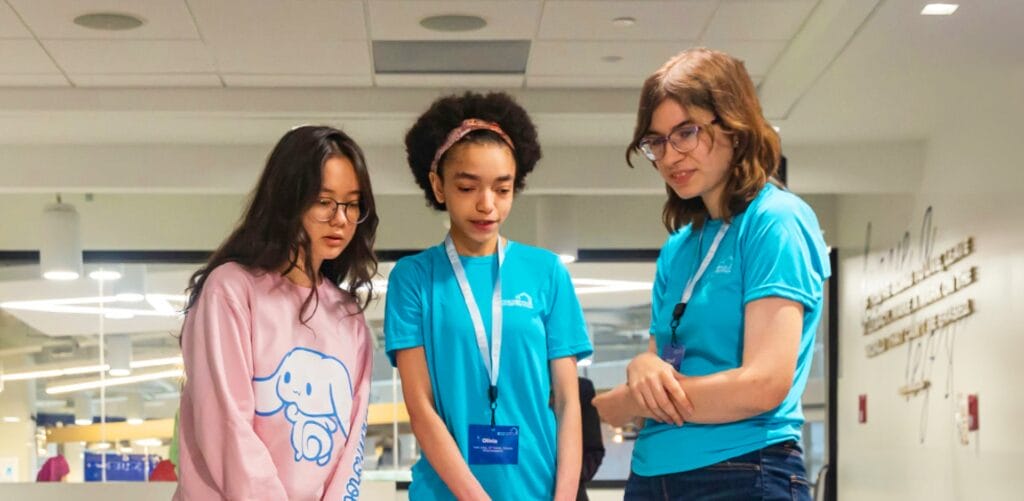
Many online schools combine virtual learning with in-person events, giving students opportunities to connect face-to-face. These in-person opportunities may include:
- Field trips and educational outings
- Local meetups and social events
- School dances, proms, and graduations
Many schools organize field trips to museums, science centers, and historical sites where students can meet classmates face-to-face. These experiences bring learning to life while giving students chances to deepen friendships beyond the screen.
Regional meetups allow students in the same area to gather for activities like pizza socials, game nights, and community service projects. These events are often organized by grade level, so students connect with peers their own age.
Major milestones like graduation ceremonies and proms happen in person at many online schools. Students dress up, walk across the stage, and celebrate with friends and family. Some schools even host proms on riverboats or at special venues, creating memorable experiences similar to traditional school events.
This blended approach gives students the best of both worlds with the flexibility of online learning combined with meaningful in-person moments.
Social Benefits for Different Types of Students
Online school can support different types of learners in unique ways:
- Students with social anxiety can engage at their own pace and build confidence gradually.
- Introverted students can participate through writing and structured discussions.
- Students with unique interests can connect with like-minded peers beyond their local area.
- Students facing social pressure or bullying may benefit from a more controlled, supportive environment.
Online school can be especially helpful for students who struggle socially in traditional settings. They can participate in discussions through chat or video at their own comfort level, building confidence gradually without overwhelming pressure.
Introverted students often thrive in online environments where they can express themselves through writing rather than speaking up in crowded classrooms. They have time to think before responding and can engage meaningfully without exhausting themselves socially.
Students with unique interests can find peers who share their passions, even if those peers live far away. The online format breaks down geographic barriers, connecting students based on interests rather than just location.
Online school also reduces negative social pressures like bullying. Without crowded hallways and face-to-face confrontations, students can focus on learning in a safer environment. This allows them to rediscover their love of learning without constant social stress.
Frequently Asked Questions about Social Life in Online School
How do students make friends in online school?
Students make friends in online school by participating in live classes, joining clubs, collaborating on group work, and attending school events.
Is online school better for social anxiety?
Online school can be a good option for students with social anxiety since it allows them to participate in a more comfortable, controlled environment.
Online School Offers Real Social Connections
Online school provides multiple opportunities for students to build real social connections through both virtual and in-person experiences. Through virtual classes, interest-based clubs, collaborative projects, and in-person events, students have multiple ways to connect with peers who share their interests and values.
The key is being intentional about social opportunities. Encourage your teen to participate actively, join clubs, and attend events. With the right approach, online school provides a rich social experience that prepares students for success in our increasingly connected world.
At K12, social development is just as important as academic growth.
See how K12 schools help students build friendships and stay connected.